Good Gadget, Bad Gadget Pt. 1

I get several emails a week from Sur la Table and Williams-Sonoma, usually trying to sell me something I don’t want or need. Many of the gadgets people invent for the kitchen are downright silly — created by those with too much time on their hands. Here are some gadgets you definitely DON’T need in your kitchen — followed by a few you do!

A corn peeler. How often do you peel corn?

More

Aioli

Here’s a neat trick. If you wanna get a skinny yoga student or starlet to eat mayonnaise, just call it “aioli.”

Aioli is, in reality, a kind of a mayonnaise. In Southern France, it is made — like mayonnaise — from an emulsion of oil, egg yolk and lemon juice, with a lot of garlic added. Though you will find lime/ginger aiolis and chipotle aiolis and the like at TGIF or Chili’s or Claim Jumper or whatever other fine dining establishments you frequent, a true aioli is simply what I’ve described above. In Spain, they make a version called “alioli” (notice the extra “l”), which is emulsified without the egg — a dandy trick I will now demonstrate for you:

You can mix the alioli with some mayonnaise to make a fantastic dip for artichoke leaves or french fries. It’s also killer on steak sandwiches or on top of freshly grilled fish. But my favorite application is a kind of paella from Spain’s Valencia region called “fideus,” which is made with noodles instead of the traditional rice, and on top of which you plop a big glop of alioli at the end. (You’ll need fish stock for this recipe. It’s really important, so don’t use chicken stock. You’d be better off using a Knorr’s fish bouillon cube, which actually aren’t bad in a pinch. You can buy fish stock at fancy stores, or ask the fish guy for some heads and bones and take them home, throw them in a pot of water, and boil with an onion and salt for about an hour. Then strain.) Here is a recipe that will serve 4 to 6:

Fideus

1 lb. spaghetti, broken into 2-inch pieces
1/4 cup olive oil
1 quart fish stock, plus water as needed
2 large very ripe tomatoes
1 chopped onion
1/2 tsp. saffron
alioli

You’ll need a very large pan for this. A traditional paella pan, around 15 to 20 inches, is preferable — both for cooking and presentation. But any large, flat pan will do. Heat the olive oil over medium heat, and add the spaghetti, tossing until all the noodles are coated and are beginning to toast. Puree the two tomatoes in a blender and add to noodles with the chopped onion. Then add the stock and the saffron.

Cook the fideus over medium/low heat for around 20 minutes, adding water or more stock if the first round cooks away. You may need to turn the pan once or twice if you’re getting hot spots to ensure all the noodles cook evenly. When the noodles appear well cooked and the stock has turned thick and saucy, remove from the stove and place in a very hot pre-heated oven. Broil for a few minutes, until some of the noodles begin to curl and burn at the edges (you can also do this final step in a hot barbecue, which is more traditional — in Spain, paellas are traditionally cooked over open fires).

To serve, either place the entire paella pan in the center of the table (this is very impressive!) and let each guest scoop some onto their plate and top with alioli. In Spain, everyone would just eat right from the paella pan, which you can do if your guests won’t freak out. Or you can plate some fideus for each guest and top with a spoonful of alioli. You’ve got options.

for the alioli:

Four large garlic cloves (or six medium cloves)
1 tsp salt
olive oil
lemon

Place the garlic cloves in the mortar and pestle with the salt. Mash repeatedly until a smooth paste forms. Then begin to drizzle in a little olive oil, continue mashing constantly. When the olive oil is incorporated into the paste, drizzle in a little bit more. Continue until a fine, thick mayonnaise forms. Squeeze a couple drops of lemon juice in at some point — especially if the emulsion seems to be breaking down. You’ll probably add 1/4 to 1/2 cup olive oil in all, and the process should take a good 10 minutes.

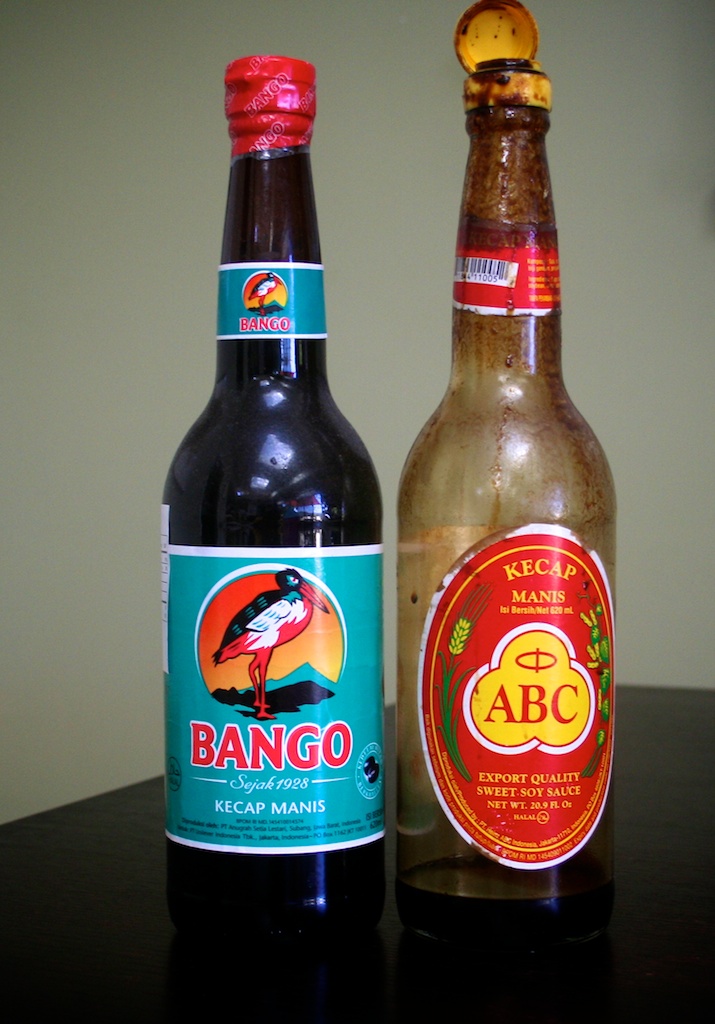
Secret Weapon Ingredient #1: Kecap Manis

Get ready to have your presentation skills raised to the next level. This is one of the best secret ingredients you’ll ever discover: kecap manis, a thick, sweet soy sauce from Indonesia.

kecap manis

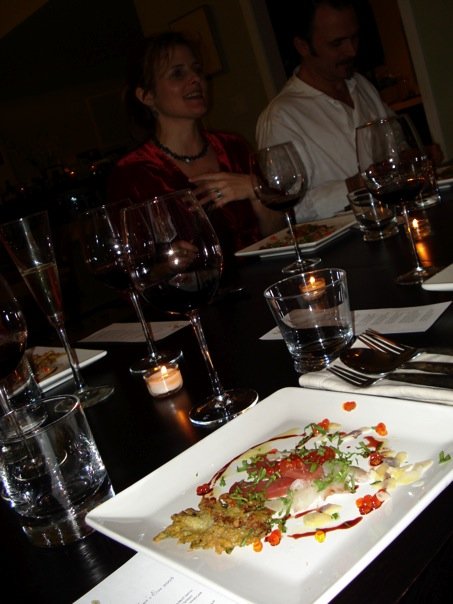
I often bring bottles of kecap manis for students when I do cooking lessons, especially if we’re doing fish. And you’ll see it in various recipes on this blog. Similar to a variety of labor-intensive sauces in an array of cultures — Japanese unagi sauce, balsamic reductions in Italian cuisine, wine reductions in French cooking, for example — it is rich and multi-layered, suggesting familiar tastes you can’t quite place. Which makes it very adaptable to a number of uses. What I use it for the most accenting dishes — usually fish or meat — with a design flourish just before serving. See the below shot.

Tuna crudo with salmon roe, tempura shiso leaf and kecap manis

I get my kecap manis at the Simpang Asia Indonesian market on National Blvd., if you happen to live in L.A.  If not, you can get it online. Here’s a source online, don’t know if they’re good or not (otherwise, Google it):

http://importfood.com/sakm2101.html

Mise en place

This is one of the most important tips I will ever share with you, so pay close attention.

One of the greatest challenges for the home cook is having all your ingredients ready on time, all your dishes composed and ready to serve hot (or cold), especially if you’re doing a dinner party. But the professional restaurant kitchen has a secret — the mise en place.

Borrowed from the French, mise en place translates as “everything in place.” It’s what you’ll want to do before you begin. Anything you can make beforehand, do. If your recipe calls for chopped onions, have them chopped and waiting in a bowl well before you begin. If you’re sprinkling a bit of minced parsley over a pasta dish at the last minute, have the parsley ready. Otherwise, your food will get cold.

The above photo is a portion of the mise en place for my annual New Year’s Eve dinner, in which I do 8-12 courses for 8-12 people. Other than serving and volunteer sous chefs, I have no help. But I am preparing for several days before the event. I make stocks and reductions days before, I spend the day of chopping and cutting ingredients, pre-cooking any vegetables I can, setting everything up. In the photo above, you can see four different little bowls of flower petals I picked that morning, which I sprinkled over different dishes for color just before serving.

It’s a little thing. It makes a big difference. Next time you have friends for dinner, experiment with mise en place. See how much of your dinner you can make before your friends even come. Once people are there it should be about composing more than cooking. You’ll have more fun, and you’ll have more time with your friends.

Pepper, Proper

I don’t want to see one of those little rectangular boxes of pre-ground pepper in your kitchen. I’m serious — if I see it, I will throw it away.

When I’m cooking in someone else’s kitchen or giving a cooking lesson in a home, I’m often amazed at the supplies people have on hand. Or lack of supplies, I should say. I ask for garlic, and they pull out a jar of pre-crushed garlic from the fridge. I ask for salt, I get the girl with the umbrella. In cooking, the simplest things are the most important. I will tell you what you need to have, it is your job to get it.

Pepper is one such item. Please, please NEVER use the pre-ground pepper in the rectangular metal container. Get yourself a pepper mill — I like the tall wooden ones they have at restaurants — buy whole peppercorns (they can be expensive, but you’ll find affordable and decent peppercorns at Mexican or Persian markets), and grind as you need. Grind into recipes, grind over finished dishes. Grind, grind, grind with abandon. But I beg of you, just don’t shake.

Previous Older Entries Next Newer Entries