Pomodoro!

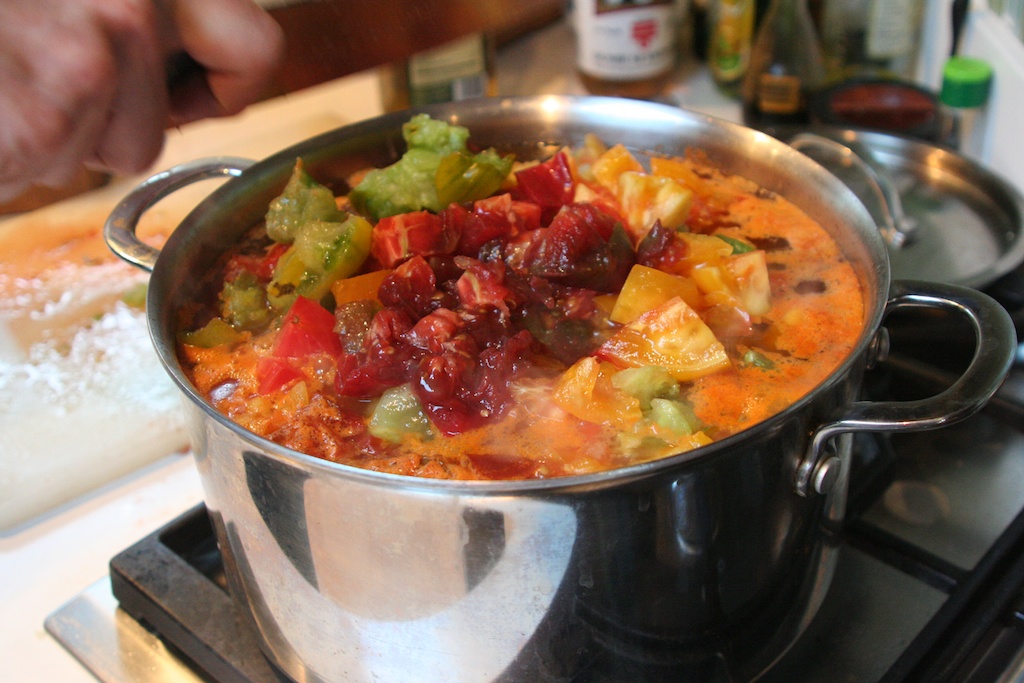
10 lbs of heirloom tomatoes on the stove, slowly transforming into sauce

My friend Debra left a message last night:

“Hi. I’ve got a cooking question. I want to make a pomodoro and I’m not sure what to do with the tomatoes. Do I blanch them first and peel them, or do I just chop them up and put them in the pan? Well, you’re not there… so I guess I’ll just have to figure it out myself. Bye!”

Fresh local tomatoes are, in my humble opinion, the greatest treasure of the summer. There are big ones, tiny ones, tart ones, sweet ones, orange and yellow and green and purple ones, some that look like teardrops and others that look like ox hearts. Perhaps, like me, you grow them yourself. I hope, unlike me, you have more than you can use and share with friends. Unlike giant zucchini, tomatoes are always a welcome gift.

Like gazpacho, a simple pasta pomodoro is a seasonal dish that highlights tomatoes at their best. Don’t do too much to this dish, and don’t make it in January. It will be utterly unlike the metallic, chemically tasting pomodoro you’ve ordered at Olive Garden. Better, even, than your favorite jar tomato sauce from Trader Joe’s.

Now back to Debra’s question — to blanch and peel or chop up — I would do neither. I prefer an even simpler method. I throw tomatoes in the blender, give them a rough puree, and set them to a simmer in a pan with olive oil and a bit of crushed garlic. You could add some chopped up tomatoes if you like chunks. I like it silkier. It’s kind of a philosophic question: How do you like your peanut butter — chunky or smooth? Note: skinny starlets and yoga students will love this dish.

Serves 2 (double for 4, etc.)

Pasta Pomodoro

1/2 lb dried pasta (I prefer spaghetti for this, but you can use your favorite dried pasta. Potato gnocchi also goes well with this preparation.)
2 large very ripe tomatoes (or 4 smaller tomatoes or a whole bunch of cherry tomatoes)
3 large garlic cloves, smashed
1/4 cup extra virgin olive, plus extra for drizzling
5 large basil leaves
freshly grated parmesan Reggiano (not the stuff in the green tube)
tsp crushed red pepper
sea salt

Cook the pasta in a large pot of salted water. (Please do not waste your olive oil by putting olive oil in the water.) Add spaghetti or pasta and cook until al dente. While the pasta is cooking, puree the tomatoes in the blender for about 10 seconds, more if you want a smoother sauce. Place tomatoes in a large pan over medium heat with olive oil and crushed garlic. Salt liberally to taste. (When you taste the sauce, it should taste a bit salty… it will disperse in the noodles.)

Stack the basil leaves, roll them up tightly like a carpet and then mince tightly to create a chiffonade.

When the pasta is all dente, use tongs to transfer it directly from the pasta water into the tomato sauce, which should have thickened some. (It’s good if some of the pasta water makes it into the sauce — the starches in the water will help bind the sauce to the pasta.) Turn heat to high and cook for 2 to 3 minutes, tossing frequently, until the pasta is well covered with sauce. Remove from heat.

Plate pasta between two plates, drizzle each with a little additional olive oil, then top each with a sprinkle of sea salt, a sprinkle of crushed red pepper, some freshly grated parmesan and the basil chiffonade. Serve!

(Note: pork lovers could include a crumbled up pork sausage to the sauce while it’s cooking. Seafood lovers might add 8 or 10 anchovy filets, and reduce the salt.)

Wine suggestion: a medium bodied, Italian-style red such as sangiovese or zinfandel.

Aloha at Home, Wherever You May Be

Growing up in Southern California, my family would go to Maui a couple times a year. And I developed a love for Hawaiian food. There’s something both comforting and essential about digging into teriyaki chicken thighs or Korean short ribs draining sweet soy goodness all over a mound of overcooked white rice, the toothsome chew of mayonnaisey macaroni salad, the tangy interplay of tomato, onion and lomi lomi salmon, and lots of fresh tropical fruit to clear the palate.

It’s hot and muggy in Topanga today. Tonight my family is eating Hawaiian. Just cuz I’m in a mood. I’ll put on iTunes and stream some traditional Hawaiian music — I like KKCR community radio out of Hanalei, Kauai … they sometimes speak Hawaiian, and even the commercials are relaxing, or AM 940 Hawaii. Maybe I’ll mix some fruity tropical rum drinks, or maybe just cold lager.  That’s how we haoles roll when we’re gettin’ our aloha on.

Here’s what we’re eating. Wanna join us on the islands? It’s fun and the kids will love it, especially if they’ve been to Hawaii. Just scroll down for the recipes, and mahalo

Teriyaki chicken, mac salad, rice and lomi lomi salmon, fresh fruit, lau lau (pork and fish cooked in taro leaves)

Serves 4, including the keiki (lil’ ones).

Hawaiian Dinner
You can make the macaroni salad, rice and lomi lomi salmon well ahead, so all you’re cooking at dinner time is the chicken. If you want to have a Hawaiian dinner party, increase the amount accordingly. (Double for eight people, etc.)

Teriyaki Chicken

1 1/2 lb skinless, boneless chicken breasts (you can also use the same amount of thinly sliced beef short ribs on the bone — Korean style — for a meat dinner)
1 thumb-sized piece fresh ginger, grated
1/4 cup chopped onion
1/4 cup low sodium soy sauce
2 tbsp ginger

Grate ginger with a cheese grater or zester. Place into large bowl, add soy sauce, onion and sugar, stir together and let sit for 5 minutes. Toss chicken in mixture, and let marinate for a couple hours in the fridge. Turn the grill onto high heat, let it get nice and hot, and grill chicken for about 5 minutes each side, until golden and brown. Spoon extra marinade and onions on as you cook. You can keep warm in a 200-degree oven while you plate the other stuff. Before serving, slice each thigh across the grain with a very sharp knife into 3 or 4 pieces.

Lomi Lomi Salmon

1/3 pound very fresh salmon, chopped into dice and salted
1 very ripe tomato
1/4 cup chopped sweet onion
sprinkle Japanese togarashi pepper (if you’ve got it)

Sprinkle about half a teaspoon of salt on your chopped salmon about an hour before you pull the dish together. After the hour, toss the salmon with the onion, tomato and pepper. Taste to see if it is salty enough. Cover and place in fridge until ready to use.

Island Macaroni Salad

1 cup dried macaroni, cooked to al dente
2 heaping tbsp mayonnaise (about 1/4 cup)
1/4 cup chopped celery
1/4 cup chopped sweet onion
2 tbsp chopped Italian parsley
dash of soy sauce
salt & pepper

Cook your macaroni until al dente and drain. Toss with a little olive oil and let cool. Once the macaroni is cool, toss in a bowl with the celery, onion, parsley and soy sauce. Add salt and pepper to taste, cover and place in the fridge until you’re ready to serve. (Note: you could give this an Asian touch with a dash of sesame oil, some sliced sugar snap peas and a bit of minced cilantro. Although I think, why mess with simple perfection?)

Rice and fruit

Steam some long grain rice according to directions well before hand (give it an extra bit of water and an extra 2 or 3 minutes on the stove), and leave sitting covered until ready to eat. It’s okay to serve it at room temperature. Slice up plenty of fresh pineapple, mango, banana, guava or other Hawaiian fruits.

To serve:

Spoon a big scoop of rice and mac salad on each plate, place some sliced teriyaki chicken next to the rice, and a bit of lomi lomi salmon next to that.

Good Gadget, Bad Gadget Pt. 1

I get several emails a week from Sur la Table and Williams-Sonoma, usually trying to sell me something I don’t want or need. Many of the gadgets people invent for the kitchen are downright silly — created by those with too much time on their hands. Here are some gadgets you definitely DON’T need in your kitchen — followed by a few you do!

A corn peeler. How often do you peel corn?

More

Aioli

Here’s a neat trick. If you wanna get a skinny yoga student or starlet to eat mayonnaise, just call it “aioli.”

Aioli is, in reality, a kind of a mayonnaise. In Southern France, it is made — like mayonnaise — from an emulsion of oil, egg yolk and lemon juice, with a lot of garlic added. Though you will find lime/ginger aiolis and chipotle aiolis and the like at TGIF or Chili’s or Claim Jumper or whatever other fine dining establishments you frequent, a true aioli is simply what I’ve described above. In Spain, they make a version called “alioli” (notice the extra “l”), which is emulsified without the egg — a dandy trick I will now demonstrate for you:

You can mix the alioli with some mayonnaise to make a fantastic dip for artichoke leaves or french fries. It’s also killer on steak sandwiches or on top of freshly grilled fish. But my favorite application is a kind of paella from Spain’s Valencia region called “fideus,” which is made with noodles instead of the traditional rice, and on top of which you plop a big glop of alioli at the end. (You’ll need fish stock for this recipe. It’s really important, so don’t use chicken stock. You’d be better off using a Knorr’s fish bouillon cube, which actually aren’t bad in a pinch. You can buy fish stock at fancy stores, or ask the fish guy for some heads and bones and take them home, throw them in a pot of water, and boil with an onion and salt for about an hour. Then strain.) Here is a recipe that will serve 4 to 6:

Fideus

1 lb. spaghetti, broken into 2-inch pieces
1/4 cup olive oil
1 quart fish stock, plus water as needed
2 large very ripe tomatoes
1 chopped onion
1/2 tsp. saffron
alioli

You’ll need a very large pan for this. A traditional paella pan, around 15 to 20 inches, is preferable — both for cooking and presentation. But any large, flat pan will do. Heat the olive oil over medium heat, and add the spaghetti, tossing until all the noodles are coated and are beginning to toast. Puree the two tomatoes in a blender and add to noodles with the chopped onion. Then add the stock and the saffron.

Cook the fideus over medium/low heat for around 20 minutes, adding water or more stock if the first round cooks away. You may need to turn the pan once or twice if you’re getting hot spots to ensure all the noodles cook evenly. When the noodles appear well cooked and the stock has turned thick and saucy, remove from the stove and place in a very hot pre-heated oven. Broil for a few minutes, until some of the noodles begin to curl and burn at the edges (you can also do this final step in a hot barbecue, which is more traditional — in Spain, paellas are traditionally cooked over open fires).

To serve, either place the entire paella pan in the center of the table (this is very impressive!) and let each guest scoop some onto their plate and top with alioli. In Spain, everyone would just eat right from the paella pan, which you can do if your guests won’t freak out. Or you can plate some fideus for each guest and top with a spoonful of alioli. You’ve got options.

for the alioli:

Four large garlic cloves (or six medium cloves)
1 tsp salt
olive oil
lemon

Place the garlic cloves in the mortar and pestle with the salt. Mash repeatedly until a smooth paste forms. Then begin to drizzle in a little olive oil, continue mashing constantly. When the olive oil is incorporated into the paste, drizzle in a little bit more. Continue until a fine, thick mayonnaise forms. Squeeze a couple drops of lemon juice in at some point — especially if the emulsion seems to be breaking down. You’ll probably add 1/4 to 1/2 cup olive oil in all, and the process should take a good 10 minutes.

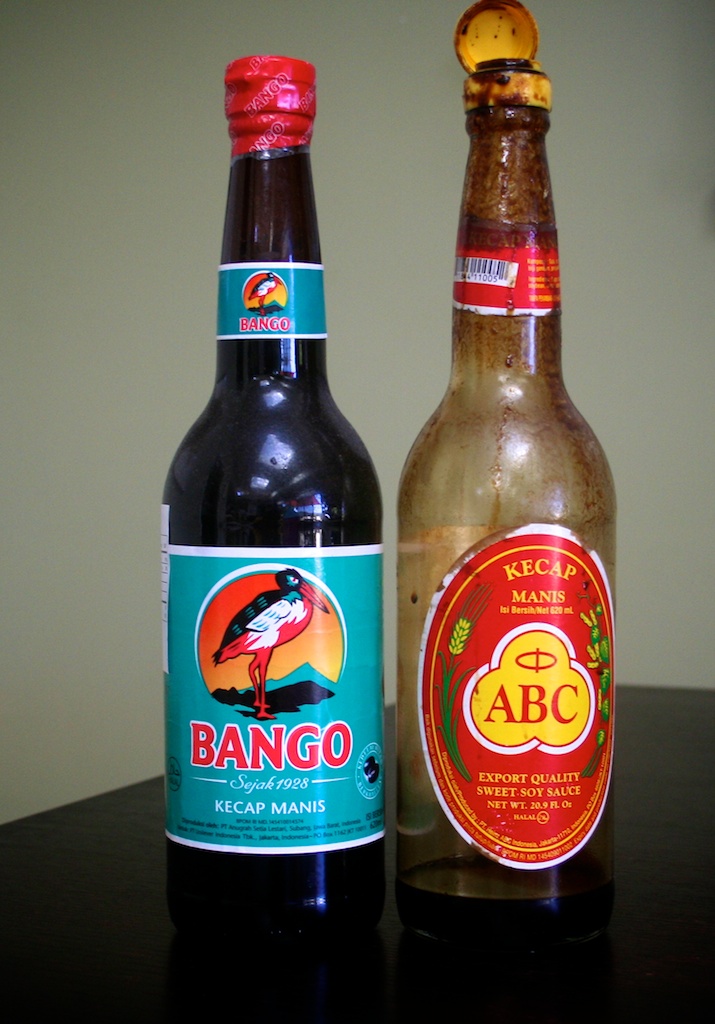
Secret Weapon Ingredient #1: Kecap Manis

Get ready to have your presentation skills raised to the next level. This is one of the best secret ingredients you’ll ever discover: kecap manis, a thick, sweet soy sauce from Indonesia.

kecap manis

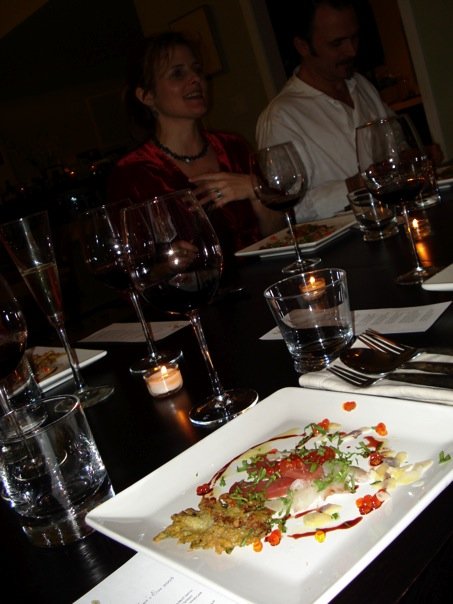
I often bring bottles of kecap manis for students when I do cooking lessons, especially if we’re doing fish. And you’ll see it in various recipes on this blog. Similar to a variety of labor-intensive sauces in an array of cultures — Japanese unagi sauce, balsamic reductions in Italian cuisine, wine reductions in French cooking, for example — it is rich and multi-layered, suggesting familiar tastes you can’t quite place. Which makes it very adaptable to a number of uses. What I use it for the most accenting dishes — usually fish or meat — with a design flourish just before serving. See the below shot.

Tuna crudo with salmon roe, tempura shiso leaf and kecap manis

I get my kecap manis at the Simpang Asia Indonesian market on National Blvd., if you happen to live in L.A.  If not, you can get it online. Here’s a source online, don’t know if they’re good or not (otherwise, Google it):

http://importfood.com/sakm2101.html

Previous Older Entries Next Newer Entries