Top 10 Simple Things that Will Make a Huge Difference in Your Cooking

Here’s my Top 10 really easy things you can do in your life and your cooking that will make a huge difference in your food. Trust me.

• 1. Cook Seasonally — Curb your desire for tomatoes from Peru in January. Find creative ways to cook kale instead. It will transform your cooking, you’ll feel inspired to be in rhythm with the seasons. And it’s REALLY good for the earth. Think of all the gas it took to get that waxy apple from New Zealand to your table in August.

• 2. Use the Best Ingredients Possible — Don’t skimp on what goes into your food. Make sure your fish or meat is fresh, spend a little extra for good quality butter and salt, shop at farmer’s markets for your produce… If you’ve got a little piece of land (you don’t need much), try growing some of your favorite veggies and fruits.

* 3. Exercise Portion Size Control — Don’t serve too much food to your guests, or yourself. You should leave them satisfied, wanting more. Don’t have friends for a barbecue and make a pound of salmon for each person. A quarter pound will do.

• 4. Don’t Be Afraid to Season Your Food — Salt is your friend. You could oversalt your homemade dinner, and you’d still be eating less salt than if you had a Lean Cuisine or Stouffers dinner, much less your favorite menu items from Claim Jumper or Chili’s. (Do you actually eat at those places???) Lightly salt your food while it’s cooking, and choose a nice flaky sea salt to sprinkle over the dish before serving.

• 5. Do As Much Prep As You Can Before You Begin — Chop your onions, make your sauces, pre-cook anything you can prior to beginning to cook and assemble your dish. It’s what restaurants do. It saves time at the end and makes cooking more fun. Check out the “Mise En Place” post in the Archives for more.

• 6. Read — When I was in graduate school studying writing, I never learned as much about how to write from professors and courses as I did from reading great writers. Same goes for cooking. Let yourself be inspired by cookbooks, even if you don’t make what’s in them. There’s nothing better than a Saturday afternoon spent with a good cookbook. Subscribe to a cooking magazine or two (Saveur and Cooks Illustrated would be my picks). Read my blog often!

• 7. Shop Often — In Paris as a kid, I marveled at how people stopped at three or four different stores between the Metro stop and their homes — the charcuterie, the boulangerie, the fromagerie — to purchase stuff for dinner. Back home, I was used to going to Vons once every two weeks. I’ve adopted the French model. I shop at least three or four times a week, at farmer’s markets, fish markets, Mexican carnicerias, Japanese markets… Costco is not conducive to spontaneous, inspired cooking.

• 8. Let Your Inner Artist Out — Think of the plate as your canvas. Food should be as beautiful as it is delicious. Consider ways to add color to a dish — a shaving of carrots, some blanched greens, some wispy chives, a sprinkling of edible flowers. If the plate looks dull when you’ve plated the food, try a drizzle of green olive oil or a zig zag of black kecap manis. (*see Archives for more about kecap manis.)

• 9. Support Your Local Farmers — Even if you live in a city, there are farmers just beyond its outskirts. Meet them at farmer’s markets, get to know the guy who is producing your food. If people are making cheese or bread or wine near you, buy stuff from them. Or, learn to produce your own goods. So far, I garden, cure my own meats, brine my own olives and get eggs from my own chickens. My family makes wine. Cheese is my next frontier.

• 10. The Most Important Tip — Have Fun — I once asked the great French chef, Jacques Pepin, what his most important tip to the home cook was. He said, “Open a bottle of wine. And have fun.” The simplest wisdom is sometimes the best.
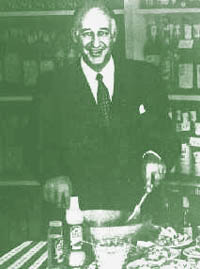
A Salad Called Caesar

Cesare Cardini

On a warm August night in 1932 in Tijuana, Mexico, Clark Gable sat slouched in a back booth of the restaurant at the Hotel Caesar, swirling the ice in his bourbon and pushing croutons and romaine around a plate with his fork. Across the table, Jean Harlow twirled a platinum curl around her index finger and glared across at him.

“You’re more interested in that salad than you are in talking to me,” she said in a vampy whisper.

“Sweetheart,” Gable replied, “If you were half as layered and complex as the dressing on this salad, then we’d have something to talk about.”

A dapper man with a servile smile and a starched white jacket emerged from the shadows, clasping his hands in front of him.

“Mr. Gable,” he said with a thick Italian accent, leaning in closer to the table,” Can I get you anything else?”

Gable glanced across at Harlow. “What’s the forecast back home, doll?”

“Dry as far as the eye can see,” she said.

Gable raised his bourbon. “One more for the road, Cardini.”

“Make that two,” said Harlow.

I just made that up. But it might’ve happened.

No salad, perhaps, has been written more about than the Caesar — invented, so the story goes, by Cesare Cardini at Caesar’s restaurant in Tijuana in the mid 1920s. There are whole books — and blogs, I’m sure — devoted to it. What more do I have to add? Nothing really. I’m a purist — I don’t like grilled chicken breast or seared ahi on top, I don’t like Southwestern style with sizzlin’ shrimp or half Romaine grilled on the barbie. But what I do have to contribute is a nifty shortcut on the dressing, which fits in nicely to my blog since it’s based on mayonnaise. (Shhh, don’t tell that yoga student you’ve got coming to dinner…) Since mayo is essentially an emulsion of egg, acid and oil, I figured it would stand in well for that raw egg that makes everyone nervous when they eat Caesar’s. It did.

Caesar Salad

Serves two

1 head romaine lettuce (or two heads baby romaine)
2 thick slices crusty bread, cut into cubes
olive oil
flaky salt
anchovies
shaved Parmesan

For the dressing:

2 tbsp mayonnaise
2 anchovies, minced
1 garlic clove, smashed in a mortar (or finely minced)
juice 1/2 lemon
a few dashes of Worcestershire sauce
a few grinds of fresh pepper
2 tbsp olive oil
1/4 cup grated Parmesan

Chop up romaine into large pieces. Toss bread cubes in olive oil with a little salt, place on a piece of foil and then toast in a 250 degree oven for around 30 minutes, until golden.

Make the dressing: combine mayo, anchovies, garlic and lemon juice in a large bowl. Add Worcestershire and pepper, then whip in olive oil to emulsify it into the dressing. Finally, mix in grated Parmesan.

Toss salad and croutons with dressing until thoroughly coated and distributed. Plate salad, top with anchovies to taste, and sprinkle with shaved Parmesan and freshly ground pepper.

Spaghetti, 101 (My Fave Five)

Carbonara

Has there ever been a more perfect, versatile food than spaghetti? Layer-upon-layer of flavors emerging from within coiled strands of toothsome semolina goodness… In Italy, spaghetti is ubiquitous, dressed in myriad creative ways far beyond that ol’ American standard of greasy meatballs and heavy tomato sauce obscuring overcooked noodles. In Italy, it’s the noodle they celebrate more than the sauce. As Mario Batali says, the sauce is the “condiment.” Scroll down a bit and you’ll find recipes for five of my favorite “condiments” — easy, wonderful dishes you can make in as little as 10 minutes!

Meanwhile, here’s three of the best tips you’ll ever get about cooking spaghetti (or any pasta, for that matter):  1.) Salt your water generously before you start cooking the pasta. I typically throw in a heaping tablespoon. 2.) ALWAYS save the pasta water you have cooked the spaghetti in. Very rarely should you actually drain the spaghetti — lift it out instead with tongs and drop it in the sauce. You’ll use the water to moderate the sauciness of your pasta. 3.) DO NOT add olive oil to your pasta water. This is a waste of oil and money. The way to keep your pasta from sticking together is to stir it the first couple minutes it’s in the water, and then once or twice while it’s cooking.

I like to cook a half pound of spaghetti — you can feed 2-4 people (or 10-12 yoga students), depending on how hungry they are. So all of the following recipes are based on cooking a half pound. You could double it to serve more, or to have tasty leftovers in the fridge. (I’m a big tasty leftover guy, myself…) Don’t forget, you’ll want to save the pasta water for several of these recipes.

(Note: Because of ingredients such as butter and pork, several of these recipes will NOT be starlet- or skinny-yoga-student friendly. If you are serving a starlet or skinny yoga student, substitute quinoa for the spaghetti, expeller-pressed sunflower oil for the butter and tempeh for the pork.)


Spaghetti with Butter, Pepper and Parmesan

This is the simplest and perhaps most wonderful of all. You can also substitute 1/4 cup good fruity extra virgin olive oil for the butter if you’d like a lighter, more healthy pasta. But remember, don’t be afraid of butter. And the better quality the butter, salt and cheese, the better the final results. I use Italian butter from the same Parma cows that make Parmesan, Maldon salt and aged Parmesan Reggiano.

1/2 lb spaghetti
1/2 stick butter (1/4 cup)
flaky sea salt and pepper
freshly grated good Parmesan Reggiano cheese

Cook pasta to al dente. Drain briefly in a collander (do not rinse!) Return pasta to cooking pot, toss with butter until all butter is melted. Sprinkle with salt and pepper, toss again, and plate. Top with generous amount of grated Parmesan Reggiano and serve. (You could also sprinkle some chopped Italian parsley over the top for a hint of freshness.)

Spaghetti Carbonara

This is the traditional preparation, which is a whole different animal than the gummy cream-based version you’ve come to know at Olive Garden’s all-you-can-eat pasta bar.

1/2 lb spaghetti
3 oz pancetta (or bacon)
2 tbsp olive oil
1/2 cup grated Parmesan Reggiano, plus extra for grating
1 whole egg and one egg yolk
flaky sea salt and pepper

While pasta water is heating, cook pancetta or bacon to crisp in a pan with olive oil, remove to drain on paper towels and reserve fat in the pan. Cook spaghetti to al dente. Remove with tongs to the pan with the pancetta or bacon fat, bringing a couple tablespoons of pasta water with you. Add pancetta or bacon, broken up into pieces, and heat briefly over high heat, stirring. Remove from heat. Add egg and extra egg yolk and 1/2 cup of Parmesan, and toss to mix. Divide among plates and top with more grated Parmesan, salt and freshly ground pepper.

Spaghetti with Sauteed Greens

This starlet-approved crowd pleaser is perfect for those spontaneous after-yoga-class dinner parties.

1/2 lb spaghetti
1 bunch swiss chard, tuscan black kale or beet greens
3 cloves garlic
1/4 cup olive oil plus extra for drizzling
1 tsp crushed red pepper
flaky sea salt and pepper
Parmesan Reggiano

Cook spaghetti to al dente. While spaghetti is cooking, chop your greens roughly into large pieces. Smash garlic cloves with back of a knife, break up and cook over medium heat in olive oil. As garlic begins to turn golden, add crushed red pepper and toss. Add greens and sauté for five minutes, with a dash of salt, until greens are cooked. Drain pasta, adding 1/4 cup of the pasta water to your greens. Add pasta and cook over high heat for about a minute, or until sauce thickens and binds to pasta. Remove from heat and divide among plates.

Spaghetti with Fresh Clams

You could also use the more familiar linguini in this preparation, which will NOT remind you of the version your grandma in Jersey used to make when you were a kid.

1/2 lb spaghetti
1 lb fresh clams in their shell, scrubbed
3 cloves garlic, crushed with the back of a knife
1 small Spanish chorizo (see La Española Meats under “Links” to order)
1/2 cup wine
1/4 cup olive oil
1/4 cup chopped Italian parsley
flaky sea salt and pepper
Parmesan Reggiano

Cook the spaghetti to al dente. While it’s cooking, slice up the chorizo and cook slices in olive oil over medium heat. Break up crushed garlic and add to pan. Add clams and wine, turn heat to medium high and cover. Cook for about 5 minutes, or until all the clams have opened. (Discard any that do not open.) Remove cover and simmer over low heat. When spaghetti is done, transfer from pot to the pan with tongs. Add a little pasta water if needed. Turn heat to high and cook, tossing, for one minute. Remove from heat. Toss in parsley and season to taste with salt and pepper. Plate the pasta, dividing the clams evenly, and top with some freshly grated Parmesan.

Spaghetti with Tomatoes and Sausage

The simplicity of tomato and pork. You could use turkey or chicken Italian sausage for this if you wanted to. Use colored heirloom tomatoes — green zebra, for example, or golden pineapple — for a vibrant, alternate colored sauce.

1/2 lb spaghetti
1 sweet Italian sausage (or hot if you prefer)
1/4 cup olive oil
3 garlic cloves, smashed with the back of a knife
2 very ripe large tomatoes
flaky sea salt
crushed red pepper
Pecorino Romano

Cook spaghetti to al dente. While pasta is cooking, puree tomatoes in a blender. Remove sausage from casing. Heat olive oil in a pan over medium heat, and cook garlic for 1 minute. Add sausage, breaking up with the back of a wooden spoon as it cooks. Once sausage and garlic have begun to turn golden, add tomato puree and season with salt. Cook over medium heat until sauce thickens. When spaghetti is done, transfer from water to sauce pan, and turn heat to high. Cook for a minute or two, tossing, until the pasta is coated. Dish onto plates, sprinkle with a bit of crushed red pepper and salt to taste, and top with grated Pecorino Romano.

L.A.’s Star Salad

Cobb salad with heirloom tomatoes, Applewood-smoked bacon, roquefort, grilled chicken and farm eggs

Remember that famous episode of “I Love Lucy” where Lucy and Ethel are in Hollywood, and they go to The Brown Derby to look for stars? They see William Holden in the booth next to them, and through the usual hilarious misadventures, wind up causing Mr. Holden to take a pie in the face. (It’s the same episode where Lucy later catches her nose on fire while lighting a cigarette…)

Back in the day, The Brown Derby was not only the place to see the stars — it was where L.A.’s greatest salad was invented. Go watch that episode of “I Love Lucy” again, and you’ll see it was a Cobb Salad that Bill Holden ordered. Created by the restaurant’s owner, Bob Cobb (cousin of baseball great, Ty Cobb), it’s one of those magnificent salads where all the components fit perfectly like a puzzle — crunchy lettuce, crisp bacon, velvety avocado, rich eggs, tender chicken, sweet tomatoes and salty bleu cheese.

I’ve seen this salad made with all kinds of other random ingredients — corn, cilantro, seared ahi, chipotle-this-or-that… I’m not one for screwing with a classic. I will offer my usual advice, however — the better your basics, the better the finished dish. So I use heirloom tomatoes, Applewood-smoked Niman Ranch bacon, a good Roquefort cheese, eggs from my own chickens… This recipe serves two, like in the picture.

Cobb Salad

1 medium head romaine lettuce
1 chicken breast, sprinkled with salt an hour before cooking
1/2 cup cherry tomatoes, sliced in half
1 avocado
2 eggs
3 strips bacon, cooked (save the fat)
1/4 cup crumbled bleu cheese
1 tsp Dijon mustard
1 tbsp red wine vinegar
1 tbsp rice wine vinegar
2 tbsp extra virgin olive oil
flaky sea salt and pepper

Cook the chicken breast in the reserved bacon fat over medium heat, turning once or twice, for about 15 minutes or until firm. Chop the romaine lettuce up. Place on two plates. You’ll arrange the rest of the salad on top of the lettuce. You’re welcome to get mavericky and do it your own way. But here’s how I arranged my Cobb salad in the photo. Slice each egg in four, and place two wedges at two corners of your salad. In the other corners, place half an avocado, sliced, and your tomato halves. Slice your chicken breast into strips, and arrange half the strips on each of the salads. Break up some bacon and scatter it on top of the chicken strips. Then scatter some crumbled bleu cheese over the salad.

For the dressing, in a small bowl combine the mustard and vinegars. Stir the oil vigorously into the mustard vinegar mixture until thoroughly combined. Drizzle over your salads. Finish each salad with a sprinkling of flaky sea salt and a few grinds of fresh pepper.

Wine suggestion: a crisp New Zealand sauvignon blanc (that’s for you, Emma)

*Stay tuned for the next installment of my “Great Salads” series — the Cobb’s southern cousin, the famous Caesar salad of Tijuana, Mexico, complete with a dressing shortcut based on none other than mayonnaise!

Church of the Sacred Table

Preparing a meal is a part of my spiritual practice — kinda like meditation or prayer. I’ve never gotten much sitting in a church, listening to that guy on the pulpit talk. I would slouch in the back, as if it was math class, afraid he was going to he call on me, while he rambled on about sin and salvation.

Sitting in a hard, cold pew on a brilliant Sunday morning was not my idea of inspiration — I never caught a glimpse of God in there. But put me in a kitchen beside vegetables yanked from the earth and a briny fish fresh pulled from the sea, and I’ll get lost in an ecstatic reverie that can only be described as mystical.

What is it about this most basic of activities that is so deeply resonant on so many levels? For one thing, it’s useful. I’ve always admired guys who make chairs — there is nothing more important than a chair, especially one that is well made and comfortable. A meal should be the same — well made and comfortable. And yet, it can also be much more. Like a symphony or a work of art or a great achievement in architecture, it can inspire and make us feel our place in the flow of life more deeply. It can connect us to the world — both what’s right there around us, and what’s far away and exotic. And it is an egalitarian pleasure. A rustic bread baked in a tandoori in a grimy alley in New Delhi is every bit as noble as a duck torte from the Parisian kitchen of Ducasse. A $.50 fish taco from a street corner in Puerto Vallarta can linger in the memory just as long as a whole fried catfish from a seafood palace in Hong Kong.

A plate of homemade food is also the antidote to our fast-food culture. I remember feeling encouraged years ago when the Slow Food movement emerged. Preparing a meal from scratch, even if it’s a simple pasta that only takes 20 minutes, is the opposite of that 20-something guy in the Carl’s Jr. commercial grunting and spilling ketchup all over himself. It’s an act of love and respect, toward yourself and the bounty that has been afforded us. Go to the farmer’s market, buy whatever’s in season — not shipped/trucked in from Chile or New Zealand, but from the guy who grew them a few miles away. Listen to what he has to say about sin and salvation. Clear your afternoon and invite some friends over. Invite the farmer. Invite that guy from the pulpit, if you’d like. Open a bottle of wine. Enjoy every moment of slicing the food, watching it transform in the pan, composing the plate as if you were painting your masterpiece. Revel in watching your friends enjoy what you’ve made. Cooking for only yourself? Leave the Souffer’s or Lean Cuisine to freezer burn and get out a pot and pan. Make yourself a three course dinner — after all, who deserves your love and respect more than yourself?

And then take it to the next level, and try growing some vegetables, keep some chickens and collect eggs if you’ve got room, buy a goat and try making cheese. Get your hands into the earth and see how your food grows. Pick a corn right off the stalk and eat it there, the life still pulsing through it.

I once heard the Vietnamese Buddhist monk, Thich Naht Hahn, tell a long story about sitting on a beach in France peeling an orange. Touching the peel, experiencing the scent, biting into the flesh. “An orange, dear friends,” he said, “is nothing less than a miracle.”

As I write this, I am reminded of what’s so important about cooking to me, which is that it reminds me what life is all about. Passion, love, laughter, sharing, family and friends, kindness, generosity, being absolutely in the moment. All the ingredients of a meal shared together. All the ingredients of a life well lived.

Previous Older Entries Next Newer Entries